
AMT Model Kit Releases Collectors Should Track
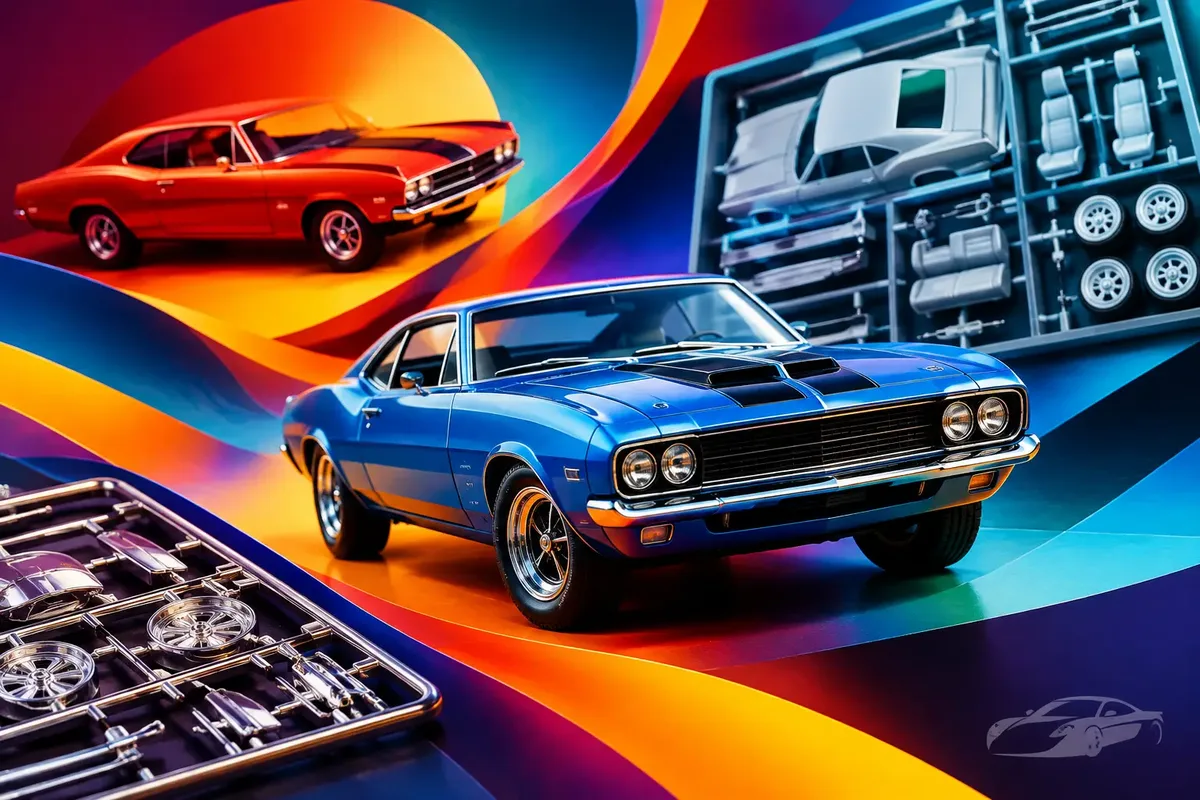
A newly listed AMT kit can look familiar at first glance, especially when it revisits a classic annual-tool subject or a well-known movie vehicle. That does not make it a routine release. AMT model kit releases often differ in packaging, included parts, decals, tires, tooling condition, or reissue status - details that can matter as much as the vehicle on the box.
For collectors, the useful question is not simply whether a kit is new. It is whether it is a first issue, a reissue, a revised version, or a repackaged edition aimed at a different audience. A structured release record makes that distinction easier to assess before a pre-order window closes or an older kit begins disappearing from regular retail channels.
Why AMT Releases Need Closer Reading
AMT has a long history that gives its catalog unusual depth. Its subject matter reaches from American muscle, pickups, vans, and semis to custom cars, television vehicles, and science-fiction subjects. Many current releases are tied to historic tooling, which is part of the appeal. It also means a product title alone may not tell the whole story.
A reissue can bring back a sought-after vehicle at a far more accessible price than an original vintage box. It may also omit a specific accessory tree, include different decals, use updated tires, or arrive with newly added components. For a builder, those changes can determine whether the kit fits a planned project. For a sealed-box collector, the box art, production branding, and exact edition can be equally relevant.
The trade-off is simple: a familiar subject may be easy to overlook, while a collector may overpay for an earlier issue without checking whether a current edition offers most of the same parts. The best approach is to treat every listing as a specific version, not just a model name.
What to Check on AMT Model Kit Releases
Start with the manufacturer and product identifier. AMT item numbers are useful reference points when several kits share a vehicle name or when a retailer uses shortened descriptions. Record the exact title as listed, the kit number, release or pre-order status, and the date the listing appeared. Those basics create a reliable starting point for comparing later availability and pricing.
Scale, subject, and kit type
Most AMT automotive kits collectors encounter are 1:25 scale, but scale should never be assumed from the subject alone. Check the product specifications, particularly when a release sits near other formats in a broad catalog. Scale affects display planning, parts compatibility, aftermarket choices, and how a finished build relates to an existing collection.
Then identify the kit type. A stock passenger car, custom machine, race car, street rod, trailer-equipped truck, and snap-style build may all appeal to different collectors. Some releases are designed around period options and multiple build paths, while others are more focused replicas. Neither format is automatically better. A parts-rich vintage-style kit can be ideal for a custom builder, while a collector seeking an accurate factory presentation may prefer a more narrowly configured subject.
New tooling, reissue, or revised edition
This is usually the most important distinction. A genuinely new tool is notable because it expands the available subject pool. A reissue is valuable for restoring access to a kit that has been unavailable, sometimes for decades. A revised edition falls between those categories, using established tooling with changes that may be minor or substantial.
Read official product copy closely for phrases such as “all-new,” “back by popular demand,” “modified reissue,” or references to newly tooled parts. If the listing does not clearly state the tooling history, avoid making assumptions. Box art that recalls an earlier era is not proof that every part in the box matches an original issue.
Photos are also helpful, but they have limits. Prototype packaging images may not show final contents, and a render cannot confirm fit, chrome quality, or decal behavior. Treat images as identification aids, then rely on official specifications and later builder reports for final confirmation.
Included details that change the build
A kit’s parts content can change its value more than the body shell itself. Look for alternate wheels, engine choices, pad-printed or vinyl tires, clear parts, opening features, trailer components, display bases, and decal sheets. For licensed race or movie subjects, the decal package deserves special attention because markings can vary between editions.
If a release is intended for a project, check whether the kit supplies the version you actually want to build. A box may feature a clean factory vehicle while the contents lean heavily toward a custom configuration, or the reverse. This is not a flaw. It is a reason to inspect the official description before buying multiples.
A Practical Release-Tracking Routine
The model-kit market moves at an uneven pace. Announcements may appear well before stock reaches US shops, and retailer dates can shift based on distribution. A release radar works best when it separates what is officially announced from what is currently available.
Maintain a short watchlist organized by subject and priority. For each kit, note whether it is listed, available for pre-order, shipping, or reported as sold out. Add the approximate manufacturer price when provided, but do not treat it as a universal street price. Taxes, shipping, regional distribution, retailer policies, and scarcity can all change the final amount a US collector pays.
It is also useful to record why a kit is on the list. Perhaps it completes a line of 1960s annual-style subjects, offers useful donor parts, matches a real vehicle you own, or fills a gap in a TV and film shelf. That note prevents impulse buying when several related releases arrive at once.
Car Model Store can be used as a centralized reference point alongside official manufacturer listings, particularly when you are monitoring releases across multiple makers and scales. For AMT, the priority remains the same: verify the product identity, status, and stated contents before making a purchase decision.
Timing a Pre-Order Without Overcommitting
Pre-orders are most useful when a release has clear personal value and may have limited initial availability. Popular licensed subjects, nostalgic vehicle choices, and unusual truck or trailer kits can attract early attention. Still, a pre-order is not always necessary. If a kit is likely to receive broad distribution, waiting for final product photos or early build feedback may be the smarter move.
Consider the retailer’s cancellation terms and whether payment is collected immediately or at shipment. A long list of open pre-orders can tie up a hobby budget quickly, especially when several manufacturers announce products in the same quarter. Prioritize the kits with the fewest substitutes, rather than reserving every release that looks interesting.
For reissues, timing depends on your goal. Builders may benefit from buying during the initial run, when standard pricing and stock are easiest to find. Vintage packaging collectors may want to compare the new release with older editions rather than treating one as a replacement for the other. Both can belong in a collection, but they serve different purposes.
Build Records That Make a Collection More Useful
Once a kit arrives, keep the release record with it. A simple note with kit number, purchase month, price paid, edition details, and any missing or changed parts becomes valuable later. This is especially helpful for unbuilt kits that may be stored for years before reaching the bench.
Builders can add paint references, fit observations, and decal notes after completion. Collectors of sealed kits can photograph all sides of the box and retain a receipt or order confirmation. These habits support insurance records, future trades, and accurate identification without turning the hobby into paperwork.
AMT’s catalog rewards collectors who look beyond the vehicle name. Follow the item number, the stated contents, and the release status, then give each edition its proper context. When a promising kit appears, share the confirmed find with fellow enthusiasts on Facebook - a good lead is more useful when the community can verify it and build from it.